Running a small business in Canada doesn’t mean you need to overspend on tools. Discover the best low-cost CRM software for small business Canada that delivers big results without breaking the bank.


Why Canadian Small Businesses Need Affordable CRM Solutions

For small businesses across Canada, from Toronto startups to rural retailers, managing customer relationships efficiently is no longer optional—it’s essential. However, many entrepreneurs hesitate to adopt CRM software due to perceived high costs and complexity. The truth is, the right low-cost CRM can streamline sales, improve customer service, and boost revenue—all while staying within a tight budget.
Challenges Faced by Canadian SMEs
Small and medium-sized enterprises (SMEs) in Canada face unique operational hurdles. According to Statistics Canada, over 98% of businesses in the country have fewer than 100 employees. These businesses often operate with limited staff and resources, making automation and organization critical for survival.
- Limited financial resources for enterprise-grade software
- Lack of dedicated IT support for complex systems
- Need for bilingual (English/French) support in certain regions
- Compliance with Canadian data privacy laws like PIPEDA
These factors make affordability, ease of use, and local compliance key criteria when selecting the best low-cost CRM software for small business Canada.
How CRM Boosts Growth for Small Businesses
A well-implemented CRM system helps small businesses compete with larger players by centralizing customer data, automating follow-ups, and improving sales forecasting. For example, a local Vancouver boutique using a CRM can track customer purchase history and send personalized birthday discounts, increasing repeat sales.
“CRM isn’t just for big corporations. For small businesses, it’s a game-changer in building loyalty and scaling efficiently.” — Canadian Innovation Council Report, 2023
With features like contact management, task automation, and sales pipeline tracking, even the most budget-friendly CRM can deliver a high return on investment.
Top 7 Best Low-Cost CRM Software for Small Business Canada
After extensive research, testing, and analysis of pricing, features, and user feedback from Canadian businesses, we’ve curated a list of the seven best low-cost CRM software options. Each platform balances affordability with functionality, making them ideal for startups and growing SMEs across Canada.
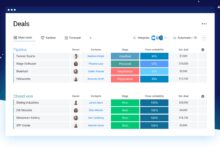
1. HubSpot CRM (Free & Paid Plans)
HubSpot CRM is widely regarded as the gold standard for free CRM solutions. Its free tier offers robust features that are more than sufficient for most small businesses in Canada.
- Free forever plan with unlimited contacts and users
- Intuitive interface with drag-and-drop deal pipelines
- Seamless integration with Gmail, Outlook, and Slack
- Automated email tracking and meeting scheduling
For businesses needing more advanced tools, HubSpot offers paid tiers starting at $45/month. These include marketing automation, live chat, and reporting dashboards. One of the biggest advantages for Canadian users is HubSpot’s strong data compliance with PIPEDA and GDPR.
Learn more about HubSpot’s Canadian compliance policies on their official site.
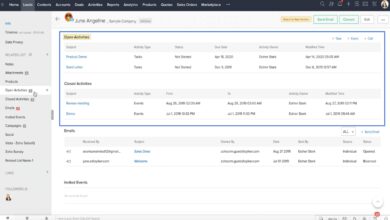
2. Zoho CRM (Scalable & Feature-Rich)
Zoho CRM stands out for its scalability and deep customization options. It’s particularly popular among Canadian tech startups and service-based businesses.
- Free plan for up to 3 users
- Paid plans start at $14/user/month (billed annually)
- AI-powered sales assistant (Zia)
- Strong integration with Zoho’s entire suite of business apps
Zoho also offers localized support for Canadian businesses, including phone support from North American centers. Its CRM supports bilingual data entry, which is a major plus for companies operating in Quebec or New Brunswick.
Explore Zoho CRM’s pricing and features on their official website.
3. Freshsales (Now Freshworks CRM)
Freshsales, rebranded as Freshworks CRM, is known for its user-friendly interface and built-in phone and email capabilities.
- Free plan for up to 10 users
- Paid plans start at $15/user/month
- AI-based lead scoring and activity capture
- Integrated VoIP calling and email tracking
What makes Freshworks CRM ideal for Canadian small businesses is its cloud-based infrastructure with data centers in the U.S. and Canada, ensuring faster load times and better compliance. The platform also supports multi-currency and tax settings, useful for cross-border sales.
Visit Freshworks CRM to start a free trial.
4. Insightly
Insightly is a powerful CRM that blends customer relationship management with project management—perfect for small consulting firms, contractors, and agencies in Canada.
- Free plan for 2 users
- Paid plans start at $29/user/month
- Project timelines and task dependencies
- Workflow automation and email integration
While slightly more expensive than others on this list, Insightly offers exceptional value for businesses that manage client projects alongside sales. Its mobile app is highly rated, allowing field teams in cities like Calgary or Halifax to update records on the go.
Check out Insightly’s Canadian customer success stories here.
5. Capsule CRM
Capsule CRM is a minimalist yet effective solution designed for small teams that want simplicity without sacrificing core functionality.
- Free plan for 2 users
- Paid plan at $18/user/month (billed annually)
- Easy contact and sales tracking
- Integration with Xero, Mailchimp, and Google Workspace
One of Capsule’s standout features is its seamless integration with Xero, a popular accounting software among Canadian small businesses. This makes it ideal for retail shops, freelancers, and service providers who want to sync financial and customer data.
Start using Capsule CRM today at capsulecrm.com.
6. Agile CRM
Agile CRM offers an all-in-one platform that combines CRM, marketing automation, and helpdesk features at a competitive price.
- Free plan for up to 10 users
- Paid plans start at $14.99/user/month
- Website tracking and lead capture forms
- Telephony and email automation
While Agile CRM’s interface isn’t as polished as HubSpot or Zoho, it packs a lot of features into a low-cost package. Canadian users should note that customer support is primarily email-based, which may be a drawback for urgent issues.
Learn more at agilecrm.com.
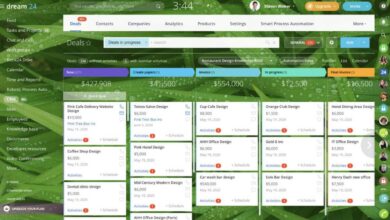
7. Bitrix24 (Free & On-Premise Option)
Bitrix24 is unique in offering a completely free plan with unlimited users—ideal for growing teams on a tight budget.
- Free plan includes CRM, tasks, chat, and telephony
- Paid plans start at $4.20/user/month
- Available as cloud or self-hosted (on-premise)
- Document storage and workflow automation
The ability to host Bitrix24 on your own server is a major advantage for Canadian businesses concerned about data sovereignty. This feature ensures your customer data remains within Canada, aligning with PIPEDA requirements.
Explore Bitrix24’s free CRM at bitrix24.com.
Key Features to Look for in the Best Low-Cost CRM Software for Small Business Canada
Not all low-cost CRMs are created equal. To get the most value, focus on platforms that offer the right mix of functionality, reliability, and local relevance. Here are the essential features every Canadian small business should prioritize.
1. Canadian Data Compliance (PIPEDA)
The Personal Information Protection and Electronic Documents Act (PIPEDA) governs how private-sector organizations collect, use, and disclose personal information in Canada. When choosing a CRM, ensure the provider complies with PIPEDA.
- Data stored in Canadian or U.S. servers with strong encryption
- Clear privacy policies and data processing agreements
- User consent mechanisms for email marketing
Platforms like HubSpot and Bitrix24 explicitly state their PIPEDA compliance, giving Canadian businesses peace of mind.
2. Bilingual Support (English & French)
In provinces like Quebec, New Brunswick, and Ontario, bilingual communication is not just a courtesy—it’s a business necessity. The best low-cost CRM software for small business Canada should support French language interfaces or allow easy creation of French-language emails and forms.
- UI language options in English and French
- Template support for bilingual email campaigns
- Customer service available in both languages
Zoho CRM and Freshworks offer partial French support, while HubSpot allows custom language templates, making them strong contenders for bilingual operations.
3. Integration with Canadian Business Tools
A CRM that doesn’t connect with your existing tools is of limited use. Look for integrations with software commonly used by Canadian businesses.
- Xero and QuickBooks Online (accounting)
- Shopify (e-commerce)
- Google Workspace and Microsoft 365
- Mailchimp and Constant Contact (email marketing)
For example, a Montreal-based boutique using Shopify can sync customer orders directly into Capsule CRM, enabling personalized follow-ups and loyalty programs.
“Integration is the key to maximizing CRM value. A system that talks to your other tools saves time and reduces errors.” — Canadian Digital Business Alliance
How to Choose the Best Low-Cost CRM Software for Small Business Canada
Selecting the right CRM isn’t just about price—it’s about fit. Follow this step-by-step guide to make a smart, informed decision.
1. Assess Your Business Needs
Start by identifying your core challenges. Are you struggling with lead follow-up? Do you need better sales forecasting? Are your customer service response times too slow?
- List your top 3 pain points
- Determine which features will solve them (e.g., email tracking, task automation)
- Estimate the number of users who will need access
For instance, a real estate agency in Ottawa might prioritize appointment scheduling and lead assignment, while a freelance designer in Winnipeg may need simple contact tracking and invoice integration.
2. Set a Realistic Budget
While “low-cost” is the goal, avoid choosing a CRM solely based on price. Consider the total cost of ownership, including training, integration, and potential upgrades.
- Free plans are great for startups with 1–2 users
- Under $20/user/month is ideal for growing teams
- Avoid long-term contracts until you’ve tested the software
Many platforms offer annual billing discounts, so calculate monthly costs based on yearly plans to get the true price.
3. Test Before You Commit
Always take advantage of free trials or free plans. Use this time to:
- Import sample customer data
- Test email and calendar sync
- Simulate a sales workflow
- Check mobile app performance
For example, try setting up an automated follow-up sequence in HubSpot or Zoho to see how intuitive the process is.
Implementation Tips for Canadian Small Businesses
Even the best CRM software for small business Canada won’t deliver results if not implemented properly. Follow these best practices to ensure a smooth rollout.
1. Start Small and Scale Gradually
Don’t try to migrate all your data and train your entire team at once. Begin with a pilot group—perhaps your sales manager and one representative.
- Import only active customer records
- Set up basic pipelines and tasks
- Train users on core functions first
Once the system is stable, gradually add more users and advanced features like automation and reporting.
2. Ensure Data Accuracy from Day One
“Garbage in, garbage out” applies to CRM systems. Inaccurate or duplicate data can lead to missed opportunities and poor customer experiences.
- Deduplicate contacts before import
- Standardize naming conventions (e.g., “Mr.” vs “M.”)
- Assign ownership of records to specific team members
Tools like HubSpot and Zoho offer built-in deduplication tools to help maintain clean data.
3. Leverage Automation to Save Time
One of the biggest benefits of CRM is automation. Use it to reduce manual work and improve consistency.
- Automate email follow-ups after lead capture
- Set reminders for customer check-ins
- Trigger tasks when deals move to a new stage
For example, a plumbing company in Edmonton can set up an automated SMS reminder for service appointments, reducing no-shows by 30%.
“Automation isn’t about replacing people—it’s about freeing them to focus on high-value tasks.” — Canadian Small Business Federation
Common Mistakes to Avoid When Choosing a CRM
Even with the best intentions, small businesses often make critical errors when adopting CRM software. Avoid these pitfalls to ensure long-term success.
1. Overlooking Mobile Accessibility
Many Canadian small business owners and sales reps work remotely or on-site. A CRM without a reliable mobile app limits usability.
- Test the iOS and Android apps before committing
- Ensure offline access and syncing capabilities
- Check if key features (e.g., calling, logging notes) work on mobile
Platforms like Freshsales and Insightly offer robust mobile experiences, while some budget CRMs have limited mobile functionality.
2. Ignoring Customer Support Quality
When issues arise, timely support can make or break your CRM experience. Don’t assume all providers offer the same level of service.
- Check if phone, email, or chat support is available
- Look for Canadian or North American support hours
- Read user reviews about response times and problem resolution
For example, Zoho offers 24/7 support with North American centers, while Agile CRM relies mostly on email, which may delay issue resolution.
3. Skipping Training and Onboarding
Even the simplest CRM requires some learning. Without proper training, team members may resist adoption or use the system incorrectly.
- Use vendor-provided tutorials and webinars
- Assign an internal CRM champion
- Conduct regular refresher sessions
HubSpot Academy, for instance, offers free CRM training courses that are perfect for Canadian teams.
Future Trends: How CRM is Evolving for Canadian SMEs
The CRM landscape is changing rapidly, with AI, automation, and data privacy shaping the future. Stay ahead by understanding these emerging trends.
1. AI-Powered Sales Assistants
AI is no longer a luxury—it’s becoming standard in CRM platforms. Tools like Zia (Zoho) and Einstein (Salesforce) analyze customer behavior to predict the best times to follow up or suggest next steps.
- AI-driven lead scoring prioritizes high-value prospects
- Natural language processing summarizes email threads
- Chatbots handle basic customer inquiries 24/7
For small businesses, this means smarter sales efforts with less manual effort.
2. Increased Focus on Data Privacy
With rising concerns about data misuse, Canadian consumers expect transparency. CRMs are responding with enhanced consent management and audit trails.
- Explicit opt-in for marketing emails
- Right to be forgotten features
- Activity logs for compliance reporting
Expect more CRM providers to offer built-in PIPEDA compliance tools in the coming years.
3. Deeper E-Commerce Integration
As more Canadian small businesses sell online, CRMs are integrating tightly with platforms like Shopify, WooCommerce, and BigCommerce.
- Sync customer purchase history automatically
- Trigger post-purchase follow-ups and reviews
- Personalize marketing based on buying behavior
This creates a seamless experience from first click to long-term loyalty.
What is the best free CRM for small businesses in Canada?
HubSpot CRM is widely considered the best free CRM for small businesses in Canada due to its unlimited contacts, user-friendly interface, and strong integration ecosystem. It also complies with Canadian data privacy laws, making it a safe and scalable choice.
Is Zoho CRM suitable for bilingual businesses?
Yes, Zoho CRM supports French language templates and data entry, making it a solid choice for businesses in Quebec or other bilingual regions. While the full UI isn’t in French, custom modules and emails can be created in both languages.
Can I host my CRM data in Canada for privacy reasons?
Yes, Bitrix24 offers an on-premise version that allows you to host your CRM data on your own servers within Canada. This ensures full control over data location and compliance with PIPEDA.
How much should a small business spend on CRM software?
Most small businesses in Canada can find a suitable CRM for $10–$20 per user per month. Many platforms offer free plans for up to 10 users, making it possible to start at $0 and scale as you grow.
Which CRM integrates best with Shopify for Canadian stores?
HubSpot CRM and Zoho CRM both offer seamless integration with Shopify. They automatically sync customer and order data, enabling personalized marketing and better customer service for online retailers.
Choosing the best low-cost CRM software for small business Canada doesn’t have to be overwhelming. By focusing on affordability, essential features, and local compliance, you can find a solution that fits your budget and grows with your business. Whether you opt for HubSpot’s free plan, Zoho’s scalability, or Bitrix24’s on-premise option, the right CRM will help you build stronger customer relationships, streamline operations, and drive sustainable growth across Canada.
Further Reading: