Looking for the best CRM software for small business with free version? You’re not alone. Thousands of entrepreneurs want powerful tools without the hefty price tag. Here’s your ultimate guide to smart, scalable, and totally free CRM solutions.
Why the Best CRM Software for Small Business with Free Version Matters

For small businesses, every dollar counts. Investing in customer relationship management (CRM) software can seem like a luxury—until you realize how much it boosts efficiency, sales, and customer retention. The good news? You don’t need a big budget to get started. Many top-tier CRMs offer robust free versions that are more than capable of handling the needs of startups and growing SMBs.
Cost Efficiency Without Compromise
One of the biggest advantages of using a free CRM is cost savings. Small businesses often operate on tight budgets, and allocating funds to expensive software isn’t always feasible. A free CRM allows you to access essential features like contact management, lead tracking, and sales pipeline visualization without spending a dime.
- No upfront costs or hidden fees
- Easy to scale as your business grows
- Reduces reliance on spreadsheets and manual tracking
According to Salesforce, companies using CRM see a 41% increase in revenue within the first year. Even free versions can deliver measurable ROI by streamlining communication and improving follow-up rates.
Improved Customer Relationships
The core purpose of any CRM is to help you build stronger relationships with your customers. The best CRM software for small business with free version enables you to store customer interactions, track purchase history, and personalize communication—all in one place.
“A CRM isn’t just a database—it’s a relationship engine.” — HubSpot Blog
With a centralized system, your team avoids duplicate efforts, responds faster to inquiries, and delivers a more consistent experience. This level of professionalism builds trust and loyalty, even at the earliest stages of your business.
Top 7 Best CRM Software for Small Business with Free Version
Now let’s dive into the real meat: the top seven CRM platforms that offer powerful free plans tailored for small businesses. Each has been evaluated based on features, ease of use, scalability, and real-world performance.
1. HubSpot CRM
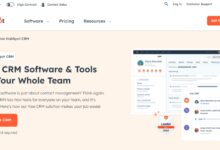
HubSpot CRM consistently ranks as the best CRM software for small business with free version. It’s not just free—it’s feature-rich, intuitive, and integrates seamlessly with marketing, sales, and service tools.
- Unlimited contacts and users
- Email tracking and scheduling
- Deals, tasks, and meeting booking
- Integration with Gmail and Outlook
What sets HubSpot apart is its ecosystem. Even on the free plan, you get access to powerful automation, live chat, and detailed reporting. As your business grows, you can upgrade individual tools without switching platforms. Learn more at HubSpot’s official site.
2. Zoho CRM
Zoho CRM offers a generous free tier for up to three users, making it ideal for small teams. It’s part of the larger Zoho suite, which means deep integration with email, invoicing, and project management tools.
- Customizable sales pipelines
- AI-powered assistant (Zia)
- Workflow automation
- Mobile app with offline access
The free version includes core CRM functionalities and supports up to 10,000 records. For businesses already using Zoho Mail or Books, this CRM is a natural fit. Visit Zoho CRM to explore its full potential.
3. Bitrix24
Bitrix24 is a powerhouse when it comes to all-in-one business tools. Its free CRM is just one part of a broader platform that includes project management, telephony, and collaboration features.
- Unlimited users on the free plan
- Visual sales funnel and deal tracking
- Free internal phone system (VoIP)
- Task and document management
While the interface can feel overwhelming at first, Bitrix24 rewards users who take the time to explore its capabilities. It’s especially useful for service-based businesses that need CRM, scheduling, and team communication in one place. Check it out at Bitrix24.com.
4. Freshsales (by Freshworks)
Freshsales stands out for its AI-driven insights and clean, modern interface. The free version supports up to 10 users and includes essential sales automation tools.
- Lead scoring and behavior tracking
- Email sequences and templates
- Phone and chat integration
- Visual deal pipeline
One of the best features is its built-in phone system, allowing you to make calls directly from the CRM. The AI assistant helps prioritize leads based on engagement, saving time and increasing conversion rates. Learn more at Freshworks CRM.
5. Insightly
Insightly is perfect for small businesses that need CRM and project management in one tool. Its free plan is limited to two users but offers solid functionality for startups.
- Project and task tracking
- Contact and company management
- Basic workflow automation
- Mobile app support
While not as feature-rich as some competitors, Insightly excels in simplicity and clarity. It’s ideal for consultants, freelancers, and small agencies managing client projects. Explore it at Insightly.com.
6. Agile CRM
Agile CRM combines sales, marketing, and service tools in a single platform. The free version supports up to 10 users and includes automation, email marketing, and web tracking.
- Marketing automation (up to 1,000 contacts)
- Website visitor tracking
- Call logging and click-to-call
- Task and event management
One downside is that the free plan lacks phone support and some advanced reporting. However, for early-stage businesses testing the waters, Agile CRM offers exceptional value. Visit AgileCRM.com for details.
7. Capsule CRM
Capsule CRM is a minimalist yet powerful option for small businesses focused on relationship management. It’s simple, clean, and integrates well with popular tools like Google Workspace and Mailchimp.
- Easy contact and sales tracking
- Task and calendar integration
- Custom fields and tags
- Mailchimp and Xero integration
The free version supports up to 250 contacts and two users. While it lacks advanced automation, its ease of use makes it perfect for solopreneurs and micro-businesses. Learn more at CapsuleCRM.com.
Key Features to Look for in the Best CRM Software for Small Business with Free Version
Not all free CRMs are created equal. To make the right choice, focus on features that align with your business goals. Here are the must-have capabilities to evaluate.
Contact and Lead Management
The foundation of any CRM is its ability to store and organize customer data. Look for a system that allows you to:
- Import contacts from email or spreadsheets
- Track communication history (calls, emails, meetings)
- Tag and segment contacts by behavior or category
- Link leads to deals or projects
Effective contact management reduces duplication and ensures no opportunity slips through the cracks.
Sales Pipeline Tracking
A visual sales pipeline helps you understand where each prospect stands in the buying journey. The best CRM software for small business with free version should offer:
- Drag-and-drop deal stages
- Deal value and close date tracking
- Forecasting tools
- Customizable stages based on your sales process
This visibility improves team coordination and helps predict revenue more accurately.
Integration Capabilities
Your CRM shouldn’t exist in isolation. It should connect with tools you already use, such as:
- Email clients (Gmail, Outlook)
- Calendar apps (Google Calendar, Outlook)
- Marketing platforms (Mailchimp, HubSpot)
- Accounting software (QuickBooks, Xero)
Seamless integration reduces manual data entry and ensures consistency across platforms.
How to Choose the Best CRM Software for Small Business with Free Version
Selecting the right CRM isn’t just about features—it’s about fit. Follow these steps to make a smart decision.
Assess Your Business Needs
Start by asking: What problems are you trying to solve? Common pain points include:
- Losing track of leads
- Slow response times
- Poor team collaboration
- Lack of sales visibility
Identify your top 2-3 priorities. If you need marketing automation, prioritize HubSpot or Agile CRM. If you need project tracking, consider Insightly or Bitrix24.
Test User Experience
A CRM is only as good as its adoption rate. If your team finds it confusing or clunky, they won’t use it. Look for:
- Intuitive interface
- Mobile accessibility
- Onboarding resources (tutorials, webinars)
- Responsive customer support
Most platforms offer free trials or instant sign-up. Take at least a week to test drive the software with real data.
Plan for Scalability
Today’s free CRM should grow with you. Ask:
- What happens when you exceed user limits?
- Are premium features priced fairly?
- Can you export data easily?
- Is there a clear upgrade path?
For example, HubSpot allows you to add paid tools individually, while Zoho offers tiered pricing across its entire suite.
Common Mistakes to Avoid When Using Free CRM Software
Even the best CRM software for small business with free version can fail if used incorrectly. Avoid these common pitfalls.
Overcomplicating the Setup
Many users try to customize every field and workflow on day one. This leads to frustration and low adoption. Instead:
- Start with basic contact and deal tracking
- Gradually add automation and custom fields
- Train your team in phases
Keep it simple at first. Complexity can come later.
Ignoring Data Hygiene
A CRM is only as good as the data it contains. Poor data quality leads to missed opportunities and broken workflows. To maintain cleanliness:
- Dedicate time weekly to audit and update records
- Remove duplicates regularly
- Standardize naming conventions
- Use validation rules where possible
Consider using tools like Import.io or Zapier to automate data entry from forms and websites.
Failing to Train the Team
Even the most intuitive CRM requires some training. Without it, team members may revert to spreadsheets or personal notes. Best practices include:
- Hosting a live onboarding session
- Creating a quick-reference guide
- Assigning a CRM champion
- Reviewing usage weekly for the first month
Consistent training ensures long-term success.
Real-World Benefits of Using the Best CRM Software for Small Business with Free Version
The impact of a good CRM goes beyond organization—it drives real business growth.
Increased Sales Conversion Rates
With better lead tracking and follow-up automation, businesses report higher conversion rates. For example, a small consulting firm using HubSpot CRM saw a 35% increase in booked meetings within three months of implementation.
“Our sales cycle shortened because we never missed a follow-up again.” — Marketing Agency Owner
Improved Team Collaboration
CRMs create transparency. Everyone sees the same customer history, reducing miscommunication and duplicated efforts. Teams can assign tasks, tag colleagues, and share notes—all within the same system.
Enhanced Customer Satisfaction
When you remember customer preferences and past interactions, clients feel valued. A study by Nucleus Research found that CRM users improve customer satisfaction by 27% on average.
Future Trends in CRM for Small Businesses
The CRM landscape is evolving fast. Here’s what to expect in the coming years.
AI-Powered Automation
Artificial intelligence is becoming standard in free CRM tools. Expect features like:
- Smart email replies
- Predictive lead scoring
- Automated data entry
- Chatbots for customer service
Platforms like Freshsales and Zoho already offer AI assistants at no extra cost.
Mobile-First Design
As remote work grows, mobile CRM access is essential. Future CRMs will prioritize offline functionality, voice input, and real-time notifications.
Deeper Integrations
CRMs will become central hubs that connect not just email and calendar, but also e-commerce, social media, and customer support tools. The goal? One unified view of the customer.
What is the best free CRM for small businesses?
The best free CRM for small businesses is HubSpot CRM. It offers unlimited contacts, powerful automation, and seamless integration with email and marketing tools—all for free. It’s ideal for startups and growing teams.
Can I use a free CRM for a growing team?
Yes, many free CRMs support multiple users. HubSpot allows unlimited users, while Zoho and Freshsales support up to 10 on their free plans. Always check user limits before committing.
Do free CRM versions include customer support?
Most free CRM plans offer community forums and knowledge bases, but not direct phone or chat support. For priority assistance, you’ll typically need to upgrade to a paid plan.
Is my data safe in a free CRM?
Reputable CRM providers use enterprise-grade security, including encryption and regular backups. Always review the provider’s privacy policy and data handling practices before importing sensitive information.
Can I upgrade from a free CRM to a paid plan later?
Absolutely. Most platforms allow seamless upgrades without data loss. You can often keep your existing setup and add advanced features like automation, reporting, or telephony.
Choosing the best CRM software for small business with free version doesn’t have to be overwhelming. With options like HubSpot, Zoho, and Bitrix24, you can access enterprise-level tools without spending a dime. Focus on ease of use, essential features, and scalability. Avoid common mistakes like poor data management and lack of training. When used correctly, a free CRM can transform your sales process, improve customer relationships, and drive real growth. The future of CRM is smart, mobile, and integrated—start building your foundation today.
Further Reading:
