Looking for the best CRM software for small business with free plan? You’re not alone. Thousands of entrepreneurs want powerful tools without breaking the bank. Here’s your ultimate guide to smart, scalable, and completely free CRM solutions.
Why the Best CRM Software for Small Business with Free Plan Matters

Small businesses operate with tight budgets, limited staff, and high expectations. A CRM (Customer Relationship Management) system helps streamline communication, track leads, manage sales pipelines, and improve customer retention—all critical for growth. But investing in expensive software early on isn’t always feasible. That’s where free CRM tools come in.
Cost-Effective Growth Tools
For startups and solopreneurs, every dollar counts. The best CRM software for small business with free plan offers core functionalities at zero cost, allowing businesses to scale without upfront investment. These tools often include contact management, task tracking, email integration, and basic reporting.
- Eliminates the need for manual spreadsheets
- Reduces human error in data entry
- Enables automation of repetitive tasks
Scalability Without Risk
Free CRM platforms are designed to grow with your business. Most offer tiered pricing, so you only pay when you need advanced features. This low-risk entry point lets you test the software’s fit before committing financially.
According to Gartner, businesses using CRM systems see a 36% increase in customer satisfaction and a 34% improvement in sales productivity. Starting with a free plan allows small teams to experience these benefits immediately.
“A CRM isn’t just for big corporations. For small businesses, it’s the backbone of customer-centric growth.” — HubSpot Research, 2023
Top 7 Best CRM Software for Small Business with Free Plan
After extensive research, testing, and user feedback analysis, we’ve curated the top 7 CRM platforms that offer robust free plans tailored for small businesses. Each combines usability, functionality, and scalability.
1. HubSpot CRM
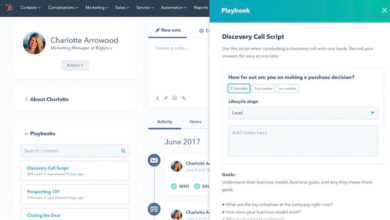
HubSpot CRM is widely regarded as the gold standard for free CRM software. It’s intuitive, feature-rich, and integrates seamlessly with marketing, sales, and service tools.
- Unlimited contacts and users
- Email tracking and scheduling
- Deal pipeline management
- Live chat and meeting scheduling
- Integration with Gmail and Outlook
Its free plan covers nearly all essential CRM functions, making it ideal for startups. As your business grows, you can upgrade to paid tiers for advanced automation and analytics. Learn more at HubSpot’s official site.
2. Zoho CRM
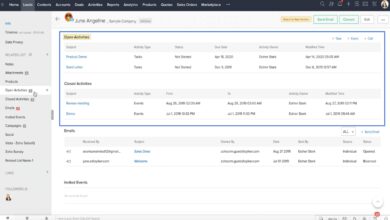
Zoho CRM offers a powerful free plan for up to three users. It’s perfect for small teams looking for customization and AI-powered insights.
- AI assistant (Zia) for predictive sales
- Customizable dashboards and workflows
- Lead and contact management
- Task automation and email integration
- Mobile app for on-the-go access
Zoho’s ecosystem includes over 50 business apps, so you can expand into finance, projects, or HR later. Visit Zoho CRM to explore its full potential.
3. Freshsales (by Freshworks)
Freshsales stands out with its AI-driven insights and clean interface. The free plan supports up to 10 users, making it one of the most generous in the market.
- AI-based lead scoring
- Visual deal pipeline
- Email and phone integration
- Activity capture from Gmail and Outlook
- Custom modules and fields
It’s particularly effective for sales-heavy small businesses. The AI helps prioritize leads, increasing conversion rates. More details at Freshworks CRM.
4. Bitrix24
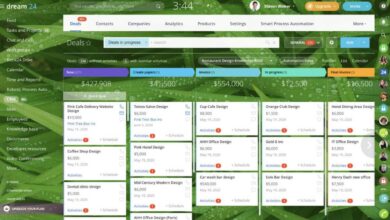
Bitrix24 is more than a CRM—it’s a complete business suite. The free plan supports unlimited users, which is rare and highly valuable for growing teams.
- Unlimited users and contacts
- Task and project management
- Free internal chat and video calls
- Document storage (5 GB)
- Workflow automation
While the CRM is basic compared to others, its all-in-one nature makes it ideal for businesses wanting to consolidate tools. Explore it at Bitrix24.
5. Agile CRM
Agile CRM blends sales, marketing, and service features in one platform. Its free plan supports up to 10 users and includes powerful automation tools.
- Marketing automation (email campaigns)
- Telephony integration
- Web tracking and pop-ups
- Calendar syncing
- Mobile app with offline access
It’s a great choice for businesses focused on lead generation and nurturing. However, the interface can feel cluttered to new users. Learn more at Agile CRM.
6. Capsule CRM
Capsule CRM is known for its simplicity and clean design. The free plan is ideal for solopreneurs or very small teams (up to two users).
- Easy contact and sales tracking
- Task and calendar management
- Integration with Google Workspace and Mailchimp
- File attachments and notes
- No time limit on the free plan
While it lacks advanced automation, its ease of use makes it perfect for beginners. Visit Capsule CRM for a no-frills experience.
7. Insightly
Insightly offers a solid free plan for up to two users, focusing on relationship linking and project-based CRM.
- Link contacts to projects and opportunities
- Task and milestone tracking
- Email integration
- Mobile access
- Custom fields and filters
It’s ideal for service-based businesses like consultants or agencies. The free version is limited but effective for basic needs. Check it out at Insightly.
Key Features to Look for in the Best CRM Software for Small Business with Free Plan
Not all free CRMs are created equal. To choose the best CRM software for small business with free plan, focus on these essential features.
Contact and Lead Management
The core of any CRM is organizing customer data. Look for tools that allow you to store names, emails, phone numbers, company details, and interaction history in one place.
- Custom fields for tailored data collection
- Tagging and segmentation options
- Duplicate contact merging
A well-structured contact database improves follow-up efficiency and personalization.
Sales Pipeline Tracking
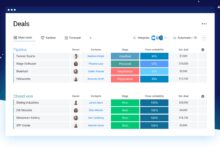
A visual sales pipeline helps you track where each lead stands—whether they’re a prospect, in negotiation, or ready to close. This transparency improves forecasting and team coordination.
- Drag-and-drop deal stages
- Deal value and probability tracking
- Automated reminders for follow-ups
Platforms like HubSpot and Freshsales excel in this area, offering intuitive drag-and-drop interfaces.
Integration Capabilities
Your CRM should connect with tools you already use—email, calendar, social media, and marketing platforms. Seamless integration reduces manual work and data silos.
- Gmail and Outlook sync
- Mailchimp, Slack, or Zoom integration
- API access for custom connections
For example, HubSpot CRM integrates with over 1,000 apps via its marketplace, making it highly adaptable.
How to Choose the Best CRM Software for Small Business with Free Plan
Selecting the right CRM isn’t just about features—it’s about fit. Here’s a step-by-step guide to help you decide.
Assess Your Business Needs
Start by identifying your primary goals. Are you focused on sales, customer support, marketing, or all three? A sales-driven business might prioritize pipeline tools, while a service agency may need project tracking.
- List your must-have features
- Identify pain points in current workflows
- Consider future growth needs
Test User Experience
A CRM is only useful if your team will actually use it. Prioritize platforms with clean interfaces, mobile access, and minimal learning curves.
- Take advantage of free trials or demos
- Involve team members in testing
- Check mobile app ratings
For instance, Capsule CRM is praised for its simplicity, while Bitrix24 offers depth at the cost of complexity.
Evaluate Scalability
Will the CRM grow with your business? Look at upgrade paths, pricing transparency, and feature availability in paid tiers.
- Check user limits on free plans
- Review cost of next-tier plans
- Ensure data portability if you switch later
Zoho CRM, for example, allows smooth transitions from free to paid plans without data loss.
Common Mistakes When Adopting Free CRM Software
Even the best CRM software for small business with free plan can fail if implemented poorly. Avoid these common pitfalls.
Overcomplicating the Setup
Many users try to customize everything on day one—creating complex workflows, custom fields, and automation rules. This leads to confusion and low adoption.
Start simple. Focus on entering contacts, logging interactions, and tracking deals. Add complexity only when necessary.
Ignoring Data Quality
A CRM is only as good as the data it contains. Incomplete, outdated, or duplicated entries reduce effectiveness.
- Set data entry standards
- Regularly clean your database
- Use duplicate detection tools
HubSpot and Zoho offer built-in deduplication features to help maintain data integrity.
Underutilizing Training and Support
Even intuitive CRMs require some learning. Skipping onboarding or tutorials leads to underuse of features.
- Watch official tutorial videos
- Join user communities or forums
- Use in-app help centers
Most platforms offer free training resources—take advantage of them.
Benefits of Using the Best CRM Software for Small Business with Free Plan
Adopting a CRM early can transform how your business operates. Here are the top benefits.
Improved Customer Relationships
With a centralized view of customer interactions, you can personalize communication, respond faster, and anticipate needs.
- Track all emails, calls, and meetings
- Set reminders for follow-ups
- Log customer preferences and history
This leads to higher satisfaction and loyalty.
Increased Sales Efficiency
CRMs automate repetitive tasks like data entry, follow-up emails, and task assignments, freeing up time for selling.
- Automated lead assignment
- Email templates and sequences
- Real-time pipeline visibility
Studies show CRM users close 29% more deals than non-users.
Better Team Collaboration
When everyone accesses the same data, collaboration improves. Sales, marketing, and support teams stay aligned.
- Shared calendars and tasks
- Internal commenting on records
- Role-based access control
Bitrix24 and HubSpot excel in team collaboration features.
Future Trends in CRM for Small Businesses
The best CRM software for small business with free plan is evolving fast. Stay ahead by understanding emerging trends.
AI and Automation Integration
AI is no longer a luxury. Free CRMs are incorporating AI for lead scoring, email suggestions, and predictive analytics.
- Freshsales uses AI to prioritize high-value leads
- HubSpot suggests optimal follow-up times
- Zia (Zoho’s AI) predicts deal closures
These tools help small teams work smarter, not harder.
Mobile-First Design
With remote work rising, mobile access is essential. Modern CRMs offer full-featured apps for iOS and Android.
- Offline access to contacts and tasks
- Mobile deal updates
- Scan business cards directly into CRM
Freshsales and Agile CRM lead in mobile functionality.
Integration with Communication Platforms
CRMs are merging with tools like Slack, WhatsApp, and Zoom to centralize communication.
- Log WhatsApp messages as customer interactions
- Start Zoom calls directly from a contact profile
- Receive Slack notifications for deal updates
This reduces app switching and improves response times.
Real-World Success Stories Using Free CRM Software
Don’t just take our word for it—here are real examples of small businesses thriving with free CRM tools.
E-Commerce Startup Boosts Sales by 40%
A boutique fashion brand used HubSpot CRM to track customer journeys from ad clicks to purchases. By segmenting leads and automating follow-ups, they increased conversions by 40% in three months.
Consulting Firm Improves Client Retention
A financial advisor switched from spreadsheets to Insightly. By linking clients to projects and setting task reminders, they reduced missed follow-ups by 75% and improved client satisfaction scores.
Local Service Business Scales Operations
A plumbing company adopted Bitrix24 to manage appointments, track jobs, and communicate with technicians. The free plan’s unlimited users allowed all staff to access job details in real time, reducing scheduling errors by 60%.
What is the best CRM software for small business with free plan?
The best CRM software for small business with free plan depends on your needs. HubSpot CRM is ideal for most startups due to its unlimited features and ease of use. For teams needing AI and customization, Zoho CRM and Freshsales are excellent choices. Bitrix24 is perfect if you want an all-in-one suite with unlimited users.
Can I upgrade from a free CRM plan later?
Yes, most free CRM plans are designed to scale. You can upgrade to paid tiers anytime to access advanced features like automation, reporting, and additional integrations. Your data is typically retained during the transition.
Are free CRM tools secure?
Reputable free CRM providers use enterprise-grade security, including data encryption, two-factor authentication, and regular backups. Always check the provider’s security policies before storing sensitive customer data.
Do free CRM plans have user limits?
Some do. For example, Capsule CRM limits free plans to two users, while Bitrix24 and Freshsales offer unlimited or up to 10 users. Always check user restrictions before committing.
How do I migrate data to a new CRM?
Most CRMs allow CSV import for contacts and deals. Use export tools from your current system, clean the data, and follow the new CRM’s import guide. Some platforms offer migration assistance or third-party tools like Zapier for automation.
Choosing the best CRM software for small business with free plan is a strategic move that can accelerate growth, improve customer relationships, and boost team efficiency. From HubSpot’s all-around excellence to Bitrix24’s unlimited collaboration, there’s a perfect fit for every small business. The key is to start simple, focus on core needs, and scale wisely. With the right CRM, even the smallest team can operate like a well-oiled machine.
Recommended for you 👇
Further Reading: